


You’ve been staring at those scuffed walls for months now. Maybe the kids left their mark — literally — in the hallway. Maybe that “builder white” from when you bought the place has finally worn out its welcome. Or maybe you’re just ready for a change and want something that actually feels like you. Whatever the reason, you’re thinking about hiring an interior painter in Springfield, MO, and honestly, that’s a smart move. But before you start collecting estimates, there are a few things worth understanding about what separates a great paint job from one you’ll regret.
Why Interior Painting Isn’t as Simple as It Look!
Here’s the thing: anyone can buy a roller and a gallon of paint. But interior painting done right? That’s a whole different story. A professional interior painting job in Springfield involves way more than slapping color on drywall. It starts long before a brush ever touches your walls, and the details that make or break the result are the ones most homeowners never think about.
Painting is one of those trades where the difference between amateur and professional work is obvious — sometimes from across the room. Uneven cutting along the ceiling, drips behind the door you forgot to check, or paint that starts peeling six months in because someone skipped primer… those aren’t just cosmetic issues. They’re signs that the process itself was flawed.
The Prep Work That Actually Matters
If there’s one thing we’d want every homeowner in Springfield to understand, it’s this: prep work is everything. It’s not glamorous, it’s not exciting, but it’s the difference between a paint job that lasts a decade and one that needs redoing next year.
What Professional Prep Includes
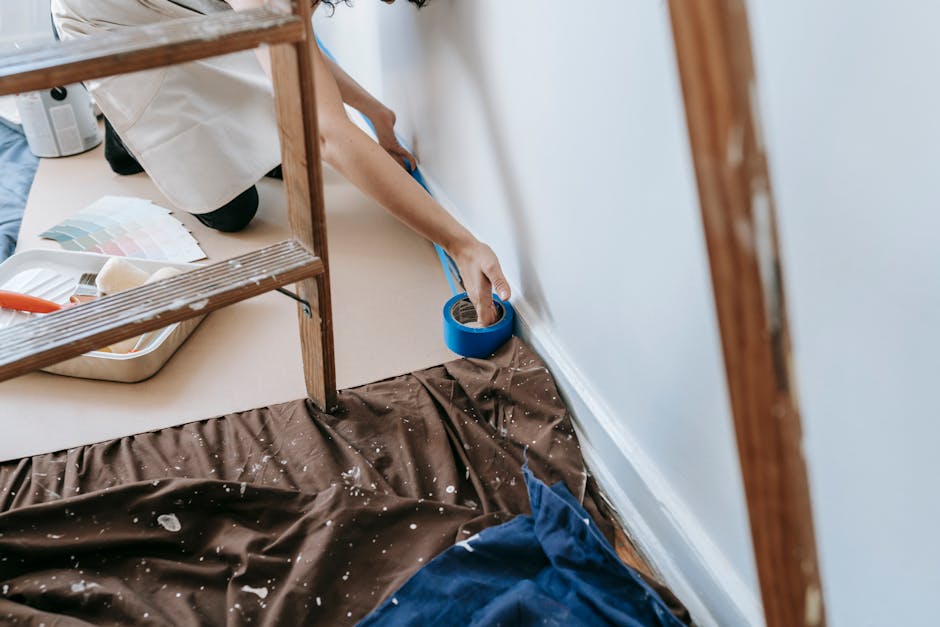
When our team at First Impressions Painting walks into your home, the actual painting doesn’t start until we’ve checked off a thorough prep checklist. Here’s what that looks like:
- Wall inspection and repair — We look for nail holes, dents, cracks, and any drywall damage that needs fixing before paint goes up. If your walls need patching, we handle that through our drywall repair service so you’re not left with blemishes bleeding through your fresh paint.
- Cleaning and deglossing — Kitchen walls with grease buildup, bathroom walls with moisture residue, or walls with years of dust all need proper cleaning. Paint won’t adhere to a dirty surface, period.
- Caulking and sealing — Gaps between trim and walls, around window frames, and along baseboards get sealed up so your finished result looks clean and polished.
- Taping and masking — Edges, baseboards, window trim, door frames, ceilings, and anything that shouldn’t get painted gets carefully masked off. This is where patience really pays off.
- Primer application — Not every wall needs primer, but when it does — covering dark colors, painting over stains, or dealing with new drywall — it’s non-negotiable. Skipping primer to save time is a shortcut that always costs more later.
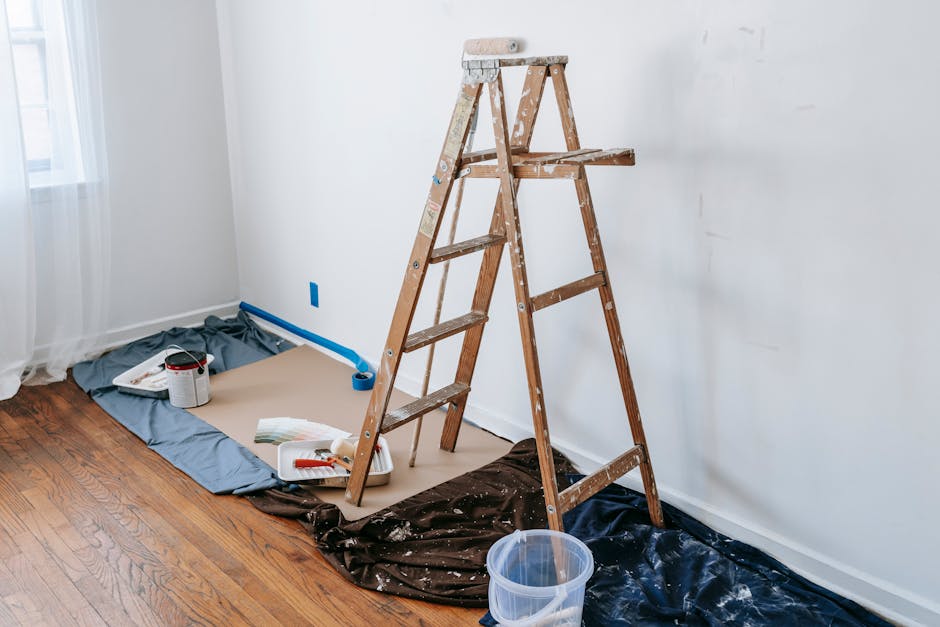
- Furniture and floor protection — Everything in your home that’s not getting painted gets covered and protected. Your furniture, flooring, and fixtures should look exactly as they did before we arrived.
If a painter gives you a quote without talking about any of this, that’s a red flag. As we discuss in our post on DIY versus professional painting in Springfield, the prep work is where the real value of hiring a pro shows up.
Choosing the Right Paint (And Why It Matters)
Walk into any paint store and you’ll see walls of options. Literally. Sherwin-Williams, Benjamin Moore, Behr — they all make multiple lines of paint, and they’re not created equal. The product your painter selects will directly impact how your walls look today and how they hold up over time.
Sheen Selection: More Than Just Aesthetic Preference
The sheen you choose isn’t just about personal taste — it affects how the paint performs in different rooms of your home. Here’s a breakdown:
| Sheen Level | Best For | Durability | Hide Imperfections? | Cleanability |
|---|---|---|---|---|
| Flat/Matte | Bedrooms, ceilings, low-traffic areas | Low | Yes — excellent at hiding flaws | Low — can mark easily |
| Eggshell | Living rooms, hallways, dining rooms | Medium | Good — subtle finish masks minor imperfections | Medium — wipes clean with care |
| Satin | Kitchens, bathrooms, kids’ rooms, trim | High | Fair — may highlight wall imperfections | Good — stands up to scrubbing |
| Semi-Gloss | Doors, cabinets, trim, high-moisture areas | Very High | Poor — reflects light, shows every bump | Excellent — easy to wash |
| High Gloss | Doors, specialty accents, cabinetry | Excellent | Virtually none — every surface flaw is visible | Outstanding — scrubbable |
The right choice depends on the room, the condition of your walls, and how much traffic the space gets. A skilled interior painter will walk you through these options rather than just picking something and moving on. For more help navigating color and finish choices, check out our guide on choosing interior paint colors for your Springfield home.
What to Look for When Hiring Interior Painters in Springfield
Not all painters are created equal, and in a market like Springfield — where word travels fast and reputation means everything — you want to make sure you’re bringing in someone who’ll do the job right. Here’s a straightforward checklist to work through before you sign anything:
Your Pre-Hire Checklist
- Licensed and insured? — Any legitimate painting contractor in Missouri should carry liability insurance and workers’ comp. If they can’t prove it, keep looking.
- Detailed written estimate? — A vague quote is a warning sign. You want an itemized breakdown that covers labor, materials, prep work, and the scope of the project.
- Local references and reviews? — Ask for references from recent jobs in Springfield, Ozark, or Nixa. Check their Google reviews and Facebook page. A solid local reputation is worth more than any sales pitch.
- Clear timeline? — You should know roughly when the job starts, how long it takes, and what happens if weather or other delays push things back.
- Product transparency? — You deserve to know exactly what paint and primer are being used, including the brand, line, and sheen — not just “we use good paint.”
- Warranty or guarantee? — Does the painter stand behind their work? A written warranty on labor and materials shows confidence in the quality they deliver.
- Prep work included in scope? — Make sure the estimate explicitly covers wall repair, priming, caulking, and protection. If it’s not listed, ask why.
- Communication style? — Do they respond promptly? Do they answer your questions clearly? How a painter communicates before the job starts tells you a lot about how the project will go.
Taking 20 minutes to work through this checklist can save you real headaches. We’ve seen the aftermath of cut-rate paint jobs plenty of times — and it’s never pretty. If you want to see what the right process looks like in practice, browse through our portfolio of completed projects to get a sense of the standard you should expect.
Interior Painting: What Affects Your Project Scope
Room Size and Condition
This one’s obvious but often underestimated. A 12×14 bedroom in decent shape is a very different project than a 20×20 great room with 14-foot vaulted ceilings and walls that haven’t been touched in 15 years. Ceiling height, the number of windows and doors, and the level of existing wall damage all factor in. If your walls have significant damage, our drywall repair service in Springfield will get them back to a smooth surface before paint is ever applied.
The Number of Colors You’re Using
Every color change means a new setup, a separate cut-in process, and additional product. Accent walls are popular and can look fantastic, but they do add complexity. Your painter should help you think through the design before giving you a final scope — not surprise you with add-ons mid-project.
Cabinets and Trim
If you’re refreshing your kitchen or bathroom, painting cabinets is a whole separate process from walls. It requires different products, different prep, and different technique. That’s why we offer cabinet painting in Springfield as its own dedicated service — the approach and the standards are different from wall painting. You can learn more in our article on how long interior painting actually takes, which breaks down timelines for different project types.
DIY vs. Hiring a Professional Interior Painter
We get it — the idea of saving money by painting a room yourself is tempting. The paint store makes it look so easy on Instagram. But here’s the reality most DIY tutorials skip over:
- Cutting in takes real skill — Getting a crisp, straight line where the wall meets the ceiling or along trim requires a steady hand and the right technique. Wobbly lines are instantly noticeable.
- Prep takes longer than painting — For a professional, prep can account for half the total time on a project. For a DIYer, it’s often longer because it’s all new. Skipping it shows.
- Product knowledge matters — Using the wrong primer, choosing the wrong nap on your roller, or applying paint in poor humidity conditions will cost you — in time, in materials, and in how the job turns out.
- Your time has value — A room that takes a pro a day might take you an entire weekend — or longer if you’re not experienced. Add in the cost of tools, materials, and potential redos, and the savings shrink fast.
None of this means you can’t paint your own home. But if you’re doing multiple rooms, dealing with high ceilings, or want a finish that looks truly professional, working with experienced interior painters in Springfield is consistently the better call. For a deeper dive on where that line gets drawn, our post on DIY versus professional painting walks through the tradeoffs in detail.
How to Get the Most Out of Your Interior Painting Project
Whether you’re doing a single accent wall or repainting your entire home, there are things you can do to make the project smoother and the results better:
- Be clear about your expectations upfront. Tell your painter what you’re envisioning, what rooms matter most, and what your timeline looks like. Good communication prevents surprises.
- Declutter before the crew arrives. The more access we have to your walls, the faster and cleaner the job goes. Removing wall hangings, switch plates, and outlet covers ahead of time helps everyone.
- Test your colors. Never pick a color from a swatch alone. Buy sample sizes, paint a 2×2 section on your wall, and look at it throughout the day in different lighting. Colors shift dramatically depending on natural and artificial light.
- Think long-term. Trending colors are fun, but a neutral backdrop with colorful accents is often easier to live with — and easier to change when your tastes evolve. Our post on how to choose paint colors for your home has more guidance on this.
- Don’t skip the ceilings and trim. Fresh walls with dingy trim or a yellowed ceiling will undermine your whole project. Painting trim and ceilings at the same time gives you a cohesive, complete result.
- Ask about maintenance. A good painter will tell you how to clean your walls, how long to wait before hanging pictures, and what to do if you need touch-ups down the road.
Why First Impressions Painting?
We’ve been serving Springfield, Ozark, Nixa, Republic, and Battlefield long enough to know that our reputation is built one room at a time. Every project we take on gets the same thorough approach — proper prep, quality products, and a finished result that holds up. We’re not the cheapest option in town, and we don’t try to be. We’re the option that does the job right the first time.
If you’re planning an interior painting project — whether it’s a single room or your whole house — we’d be happy to walk through it with you. No pressure, no sales pitch, just an honest conversation about what your home needs and how we can help. Our interior painting service page has more details, or you can reach out directly to schedule an estimate.
And if you’re also thinking about refreshing your exterior, updating your cabinets, or tackling other home projects, take a look at our full range of services including exterior painting, cabinet painting, and drywall repair. For more tips on when your home might be overdue for a refresh, check out our guide on knowing when to repaint your home’s interior.
Great painting starts with great preparation — both in how the work gets done and in how you choose who does it. Take your time, ask questions, and invest in a paint job you’ll love living with for years to come.